

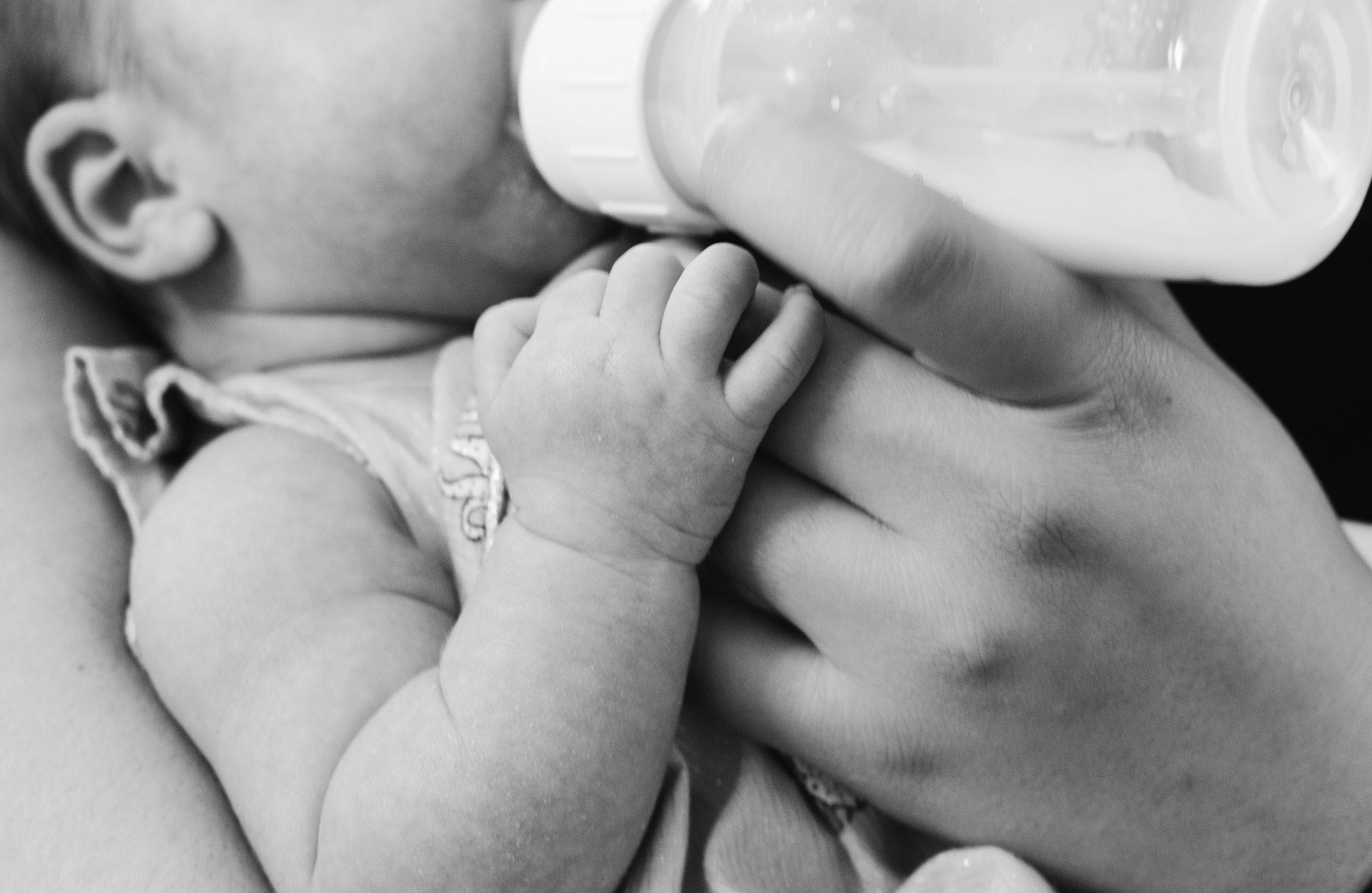
When it comes to feeding your baby, the bottle you choose can make a significant difference. If you’re wondering -how do I choose a baby bottle?—here are five important considerations that can help you narrow down your options (and there are indeed lots of options!). Remember, it’s generally a good idea to try out a few different kinds to find the bottle-type or brand that best suits both your baby and you.
1. Material Matters
In this day and age there are a variety of different bottle types available for parents to chose from. And different materials have their own pros and cons, depending on your needs. It may require a bit of trial and error to figure out which material best suits your family and I’ll say it again here – it doesn’t hurt to try out a few different types before you go all in on a big order. That said – here are a few of the main materials available in today’s baby bottles.
Glass Bottles
Pros: BPA-free, durable, long-lasting, no leeching
Cons: Heavy, can shatter
Plastic Bottles
Pros: Lightweight, inexpensive, widely available
Cons: May contain harmful chemicals and micro plastics, less durable
Stainless Steel Bottles
Pros: BPA-free, durable, insulated
Cons: Expensive, not transparent (harder to measure precise volumes)
Silicone Bottles
Pros: Lightweight, durable, BPA-free, soft and squeezable
Cons: Expensive, not as widely available
2. Nipple Size: Selecting the Right Flow & Material
Choosing the right nipple size isn’t as much about age as it is about your baby’s comfort and safety. That said there are some general guidelines to help you get oriented. For newborns, a slow flow nipple that mimics the pace of breastfeeding might be ideal. As your baby grows, you’ll typically find yourself switching to medium and then fast flow nipples to meet their increasing appetite.
Here’s how all of this translates to sizes (very roughly):
- Level 0 (super-slow-flow): Newborns and/or preemies
- Level 1 (slow-flow): 0-3 Months
- Level 2 (medium-flow): 3-6 Months
- Level 3 (fast-flow): Designed for Babies 6 months and up
- Variable Flow: Designed for multiple flow rates – useful for babies 6 months and older who can better control the flow themselves.
3. Bottle Shape & Design
The shape and design of a baby bottle can affect everything from how easy it is for your baby to grasp and hold to the amount of air ingested during feeding. Just like with materials, it’s a good idea to experiment with a few different shapes and designs to find what works best for your baby.
Traditional Bottles
Pros: Cost-effective, easy to find
Cons: May lead to more air ingestion
Angled Bottles
Pros: Reduces air ingestion, easier for baby to hold
Cons: Harder to clean, more expensive
Wide Neck Bottles
Pros: Easy to clean, good for transitioning from breast to bottle
Cons: Wide mouth may not work for all babies
Vented bottles
Pros: Minimize air bubbles, reducing gas and fussiness
Cons: Multiple parts make cleaning more complicated
4. Ease of Cleaning
Generally speaking, daily life is simpler with an easy-to-clean bottle. Most can go in the dishwasher and even survive the sanitize cycle. Some specialty bottles, like Dr. Brown’s, need extra care and a small brush to clean vents. In the case of our family, the benefits of Dr. Brown’s gas-reduction design outweighed the extra care needed for cleaning.
5. Affordability: The Best Bottle for Your Budget
No doubt – babies are expensive. But when it comes to bottles, spending a little more upfront on a quality product could save you money in the long run and make it easier to get your baby the nutrients they need. If you’re able to, I strongly recommend sampling a few different brands and styles before you go and buy a whole bunch of one kind.
Conclusion
Chasing the right baby bottle may take a few rounds of trial and error. But if you know what to look for the task becomes considerably less daunting. Start by focusing on key aspects like material, nipple size, bottle design, cleaning ease, and budget and go from there. Don’t be afraid to experiment with a few different types to see what works best for you and your baby. In our case, we purchased single bottles of a few brands to try out at home before we settled on brand. Remember, your kiddo’s comfort and health are the ultimate goals, so take your time to find the bottle that works best.